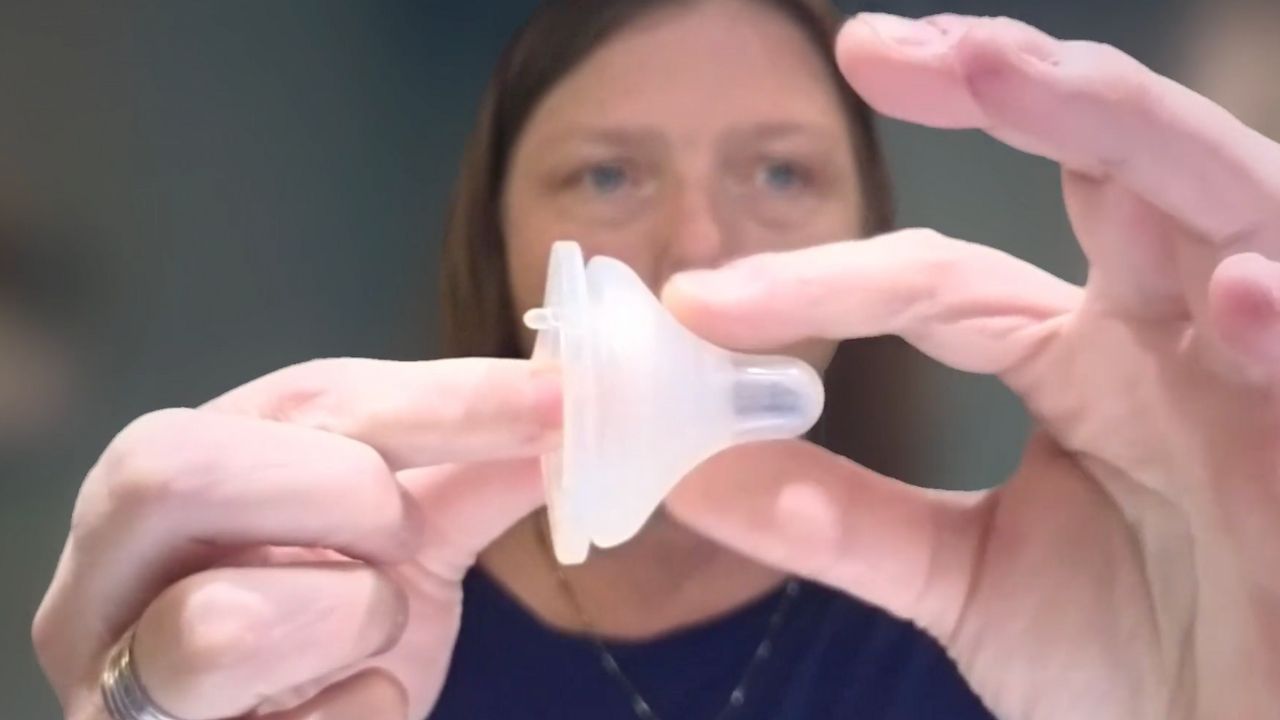
Go Deeper: Understanding Clicking
If your baby clicks while feeding—whether they’re nursing or taking a bottle—it can feel confusing fast. You might wonder if they’re swallowing air, if something is “wrong,” or if you’re doing something that’s making feeding harder than it needs to be.
But clicking isn’t a diagnosis. It’s information. It’s your baby’s way of telling you that suction is breaking somewhere—and that something inside the mouth may not be as stable or coordinated as it could be.
And the tricky part is that clicking can happen for a lot of different reasons—some totally normal, and some worth looking at more closely.
In this Go Deeper session, we break down what clicking actually means, what it can tell you about oral function, and how to know whether it’s something you can ignore—or something that deserves a closer look.
Inside this 20 min. Go Deeper video, we talk through:
- What clicking really is (and what it’s not)
- The most common reasons babies lose suction during feeding
- How to tell the difference between “normal clicking” and “pattern clicking”
- Signs that clicking may be linked to oral function (even when weight gain looks fine)
- Positioning and feeding adjustments that can support a deeper, more stable latch
By the end, you’ll know what clicking is actually telling you—and how to decide what matters next for your baby.
Watch the Video:
Understanding Clicking
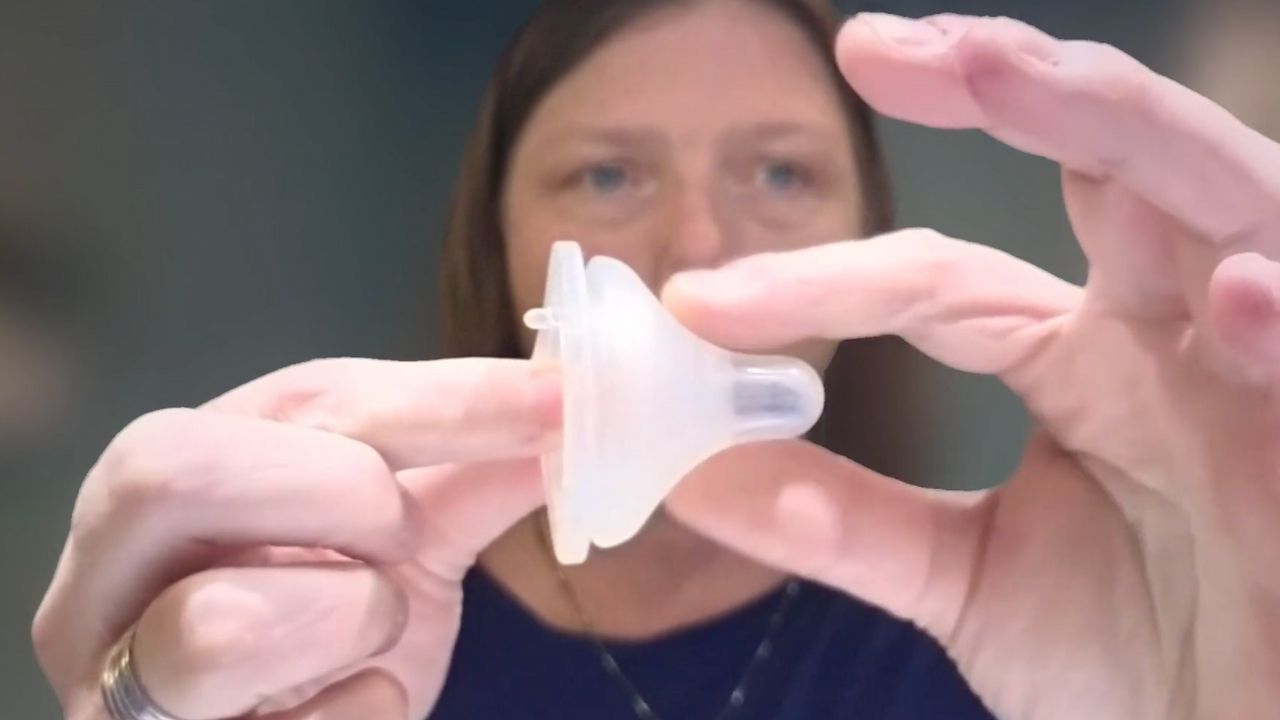
This recording is available with Expanded Access.
Want something specific? Here's the timeline so you can jump to the section you're looking for.
- 00:00 – What clicking actually means
Why clicking happens, and why it isn’t your fault - ~02:30 – Clicking = loss of suction
How suction breaks, why the sound happens, and what it can tell you - ~05:30 – Where clicking comes from (lips vs. tongue)
What different clicking sounds may suggest about what’s happening inside the mouth - ~08:00 – When clicking matters (and when you can ignore it)
How to tell the difference between occasional clicking and a consistent pattern - ~10:30 – Signs to look for beyond clicking
What to watch for if feeding feels unstable, even if weight gain looks fine - ~13:30 – What clicking can (and can’t) mean
Why clicking doesn’t automatically mean tongue tie, and what else can affect oral function - ~16:30 – Positioning tips that may help clicking
How small position changes (including laid-back support) can improve stability - ~18:30 – Clicking on a bottle
Why bottle clicking can happen, and how bottle shape/flow may play a role - ~20:30 – When to get extra support
What to do if clicking is persistent and feeding still doesn’t feel smooth
Want to Keep Going Deeper?
If you have Expanded Access, you can open these related resources:
🔒 Nipple Pain and Breastfeeding: What it means and how to help
🔒 Unlock this Video
This video is part of a deeper resource inside Expanded Access. Click the button below to unlock the full video and explore Expanded Access.
If your baby clicks while feeding—whether they’re nursing or taking a bottle—it can feel confusing fast. You might wonder if they’re swallowing air, if something is “wrong,” or if you’re doing something that’s making feeding harder than it needs to be.
But clicking isn’t a diagnosis. It’s information. It’s your baby’s way of telling you that suction is breaking somewhere—and that something inside the mouth may not be as stable or coordinated as it could be.
And the tricky part is that clicking can happen for a lot of different reasons—some totally normal, and some worth looking at more closely.
In this Go Deeper session, we break down what clicking actually means, what it can tell you about oral function, and how to know whether it’s something you can ignore—or something that deserves a closer look.
Inside this 20 min. Go Deeper video, we talk through:
- What clicking really is (and what it’s not)
- The most common reasons babies lose suction during feeding
- How to tell the difference between “normal clicking” and “pattern clicking”
- Signs that clicking may be linked to oral function (even when weight gain looks fine)
- Positioning and feeding adjustments that can support a deeper, more stable latch
By the end, you’ll know what clicking is actually telling you—and how to decide what matters next for your baby.
Watch the Video:
Understanding Clicking

This recording is available with Expanded Access.
Want something specific? Here's the timeline so you can jump to the section you're looking for.
- 00:00 – What clicking actually means
Why clicking happens, and why it isn’t your fault - ~02:30 – Clicking = loss of suction
How suction breaks, why the sound happens, and what it can tell you - ~05:30 – Where clicking comes from (lips vs. tongue)
What different clicking sounds may suggest about what’s happening inside the mouth - ~08:00 – When clicking matters (and when you can ignore it)
How to tell the difference between occasional clicking and a consistent pattern - ~10:30 – Signs to look for beyond clicking
What to watch for if feeding feels unstable, even if weight gain looks fine - ~13:30 – What clicking can (and can’t) mean
Why clicking doesn’t automatically mean tongue tie, and what else can affect oral function - ~16:30 – Positioning tips that may help clicking
How small position changes (including laid-back support) can improve stability - ~18:30 – Clicking on a bottle
Why bottle clicking can happen, and how bottle shape/flow may play a role - ~20:30 – When to get extra support
What to do if clicking is persistent and feeding still doesn’t feel smooth
Want to Keep Going Deeper?
If you have Expanded Access, you can open these related resources:
🔒 Nipple Pain and Breastfeeding: What it means and how to help
Blog Search By Topic
Have feeding questions?
Join me live on Zoom.
Live Feeding Q&A
For Everyone with Expanded Access
Tuesdays @ 11am ET
All questions welcome.